

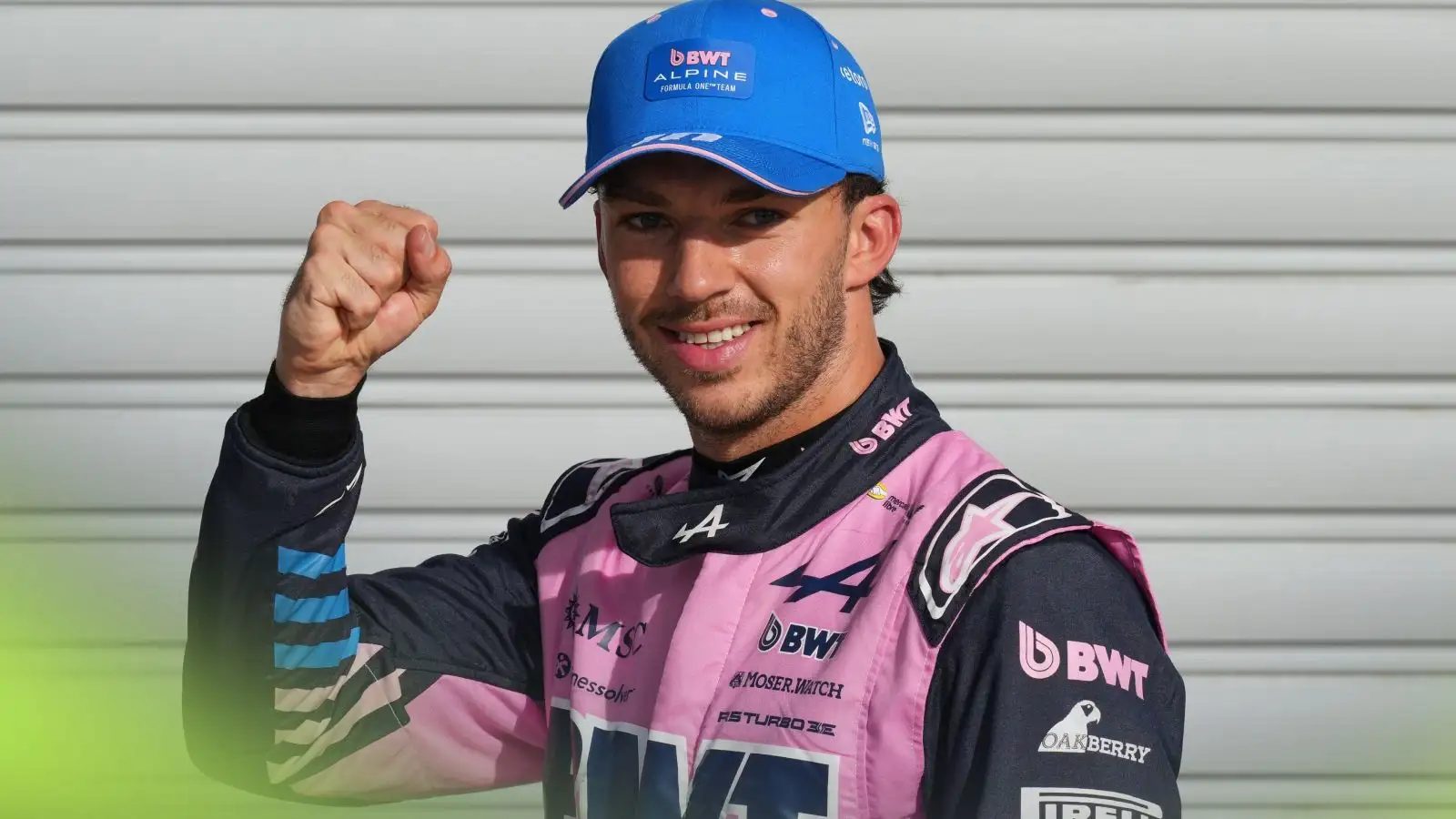
There is definitely a special connection between Pierre Gasly and Monza – following his maiden victory here, the Frenchman secures his first career pole position at the very same venue.
He was just 0.060 seconds faster than Russell, who entered as the main favourite. How Gasly managed to pull off this upset and beat Mercedes, telemetry data reveals.
Pierre Gasly data reveals how Monza pole was secured
After Gasly missed the first free practice session, freeing his Alpine up for a Paul Aron rookie session, nothing particularly pointed towards Alpine delivering a result of this calibre. FP2 was average, while in FP3 both drivers recorded lap times strong enough to land them inside the top 10 – positions where we typically expect to see them.
However, once Q1 got underway, things began to shift. It became evident that the Alpine had genuine speed; nevertheless, Q1 lap times are always too unrepresentative to draw meaningful conclusions regarding driver potential for Q3.
Moving into Q2, Alpine’s pace looked increasingly serious, but what perhaps impressed most was the sheer consistency Gasly maintained throughout qualifying. This is best illustrated by the graph below.
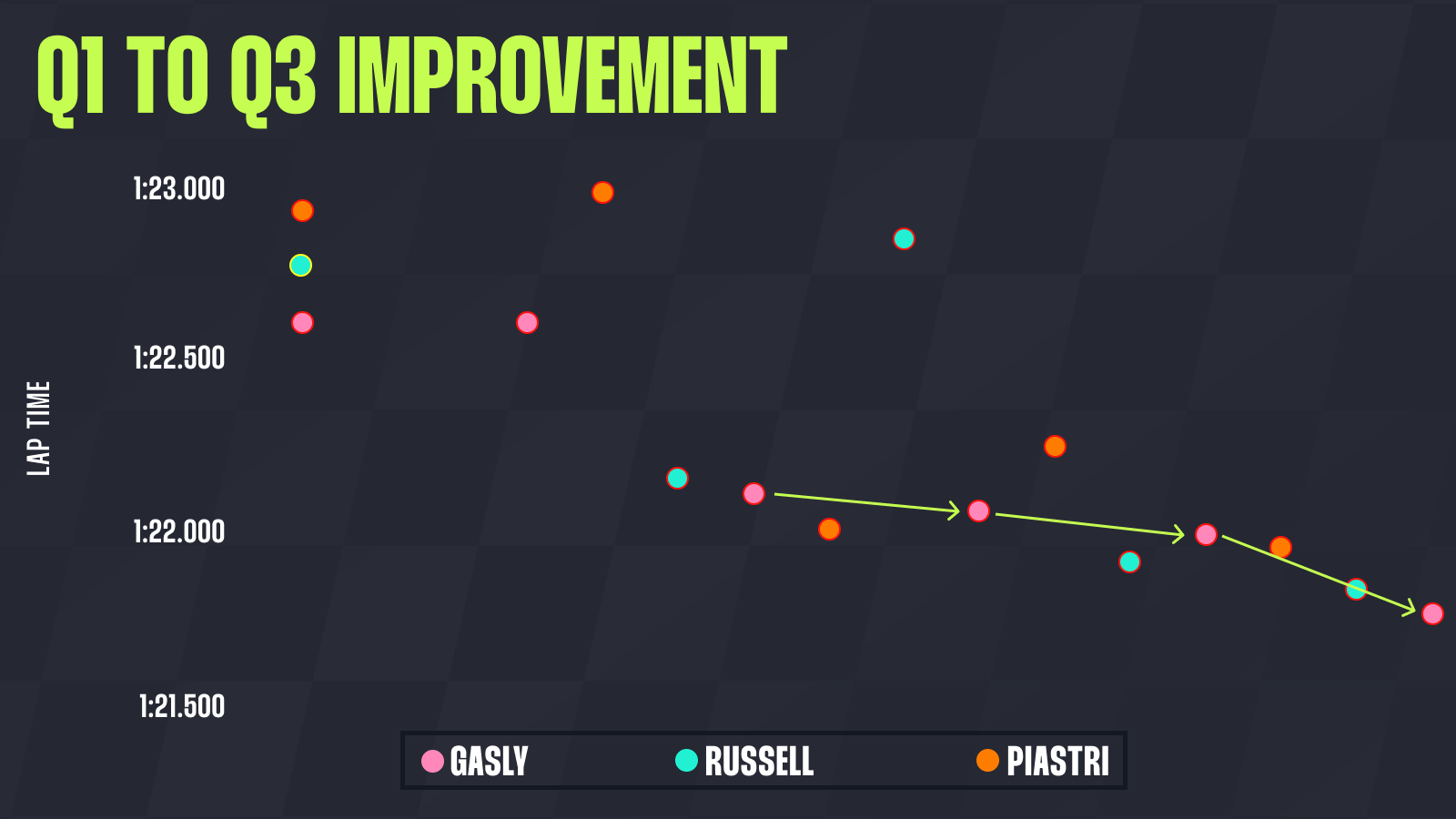
Virtually from the moment Q2 began, the Frenchman managed to chip away a few tenths of a second with every passing lap. He was consistently fast and continually found ways to be even quicker on track. When it mattered most, he hooked up his best sector times into a single lap to claim a thoroughly deserved maiden pole position.
What is equally fascinating is that Gasly did not set a single overall fastest sector time during qualifying at Monza. His times in Sector 1 and Sector 2 were the third fastest, while in the final sector his time was only the seventh quickest.
He was nowhere the absolute fastest, but everywhere remarkably quick – again highlighting that supreme consistency.
A detailed comparison of his fastest lap alongside Russell’s confirms this.
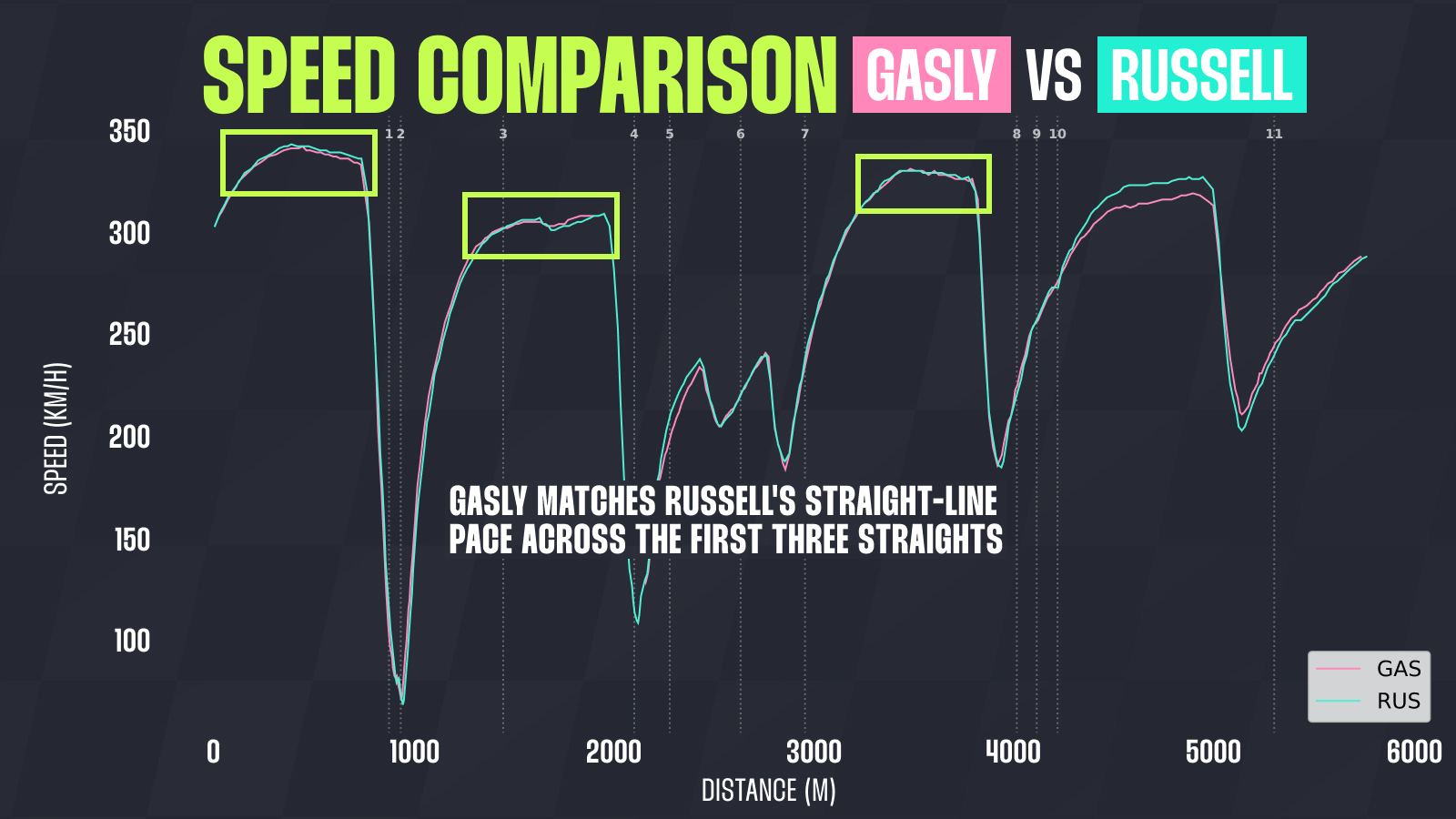
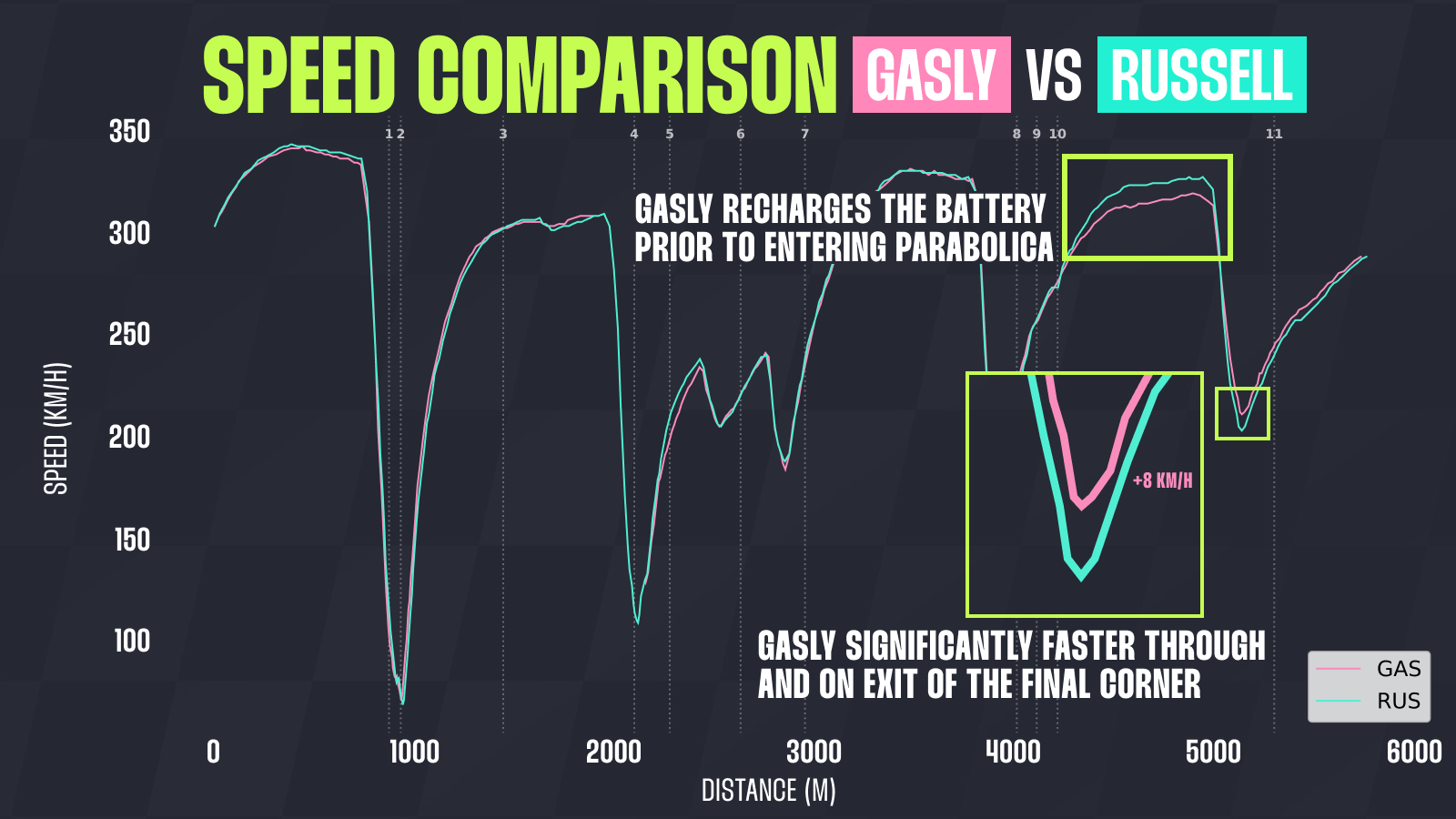
First and foremost, top speeds require close attention. Carrying a Mercedes power unit in your car at Monza is a major asset. This is a circuit that places power unit output far ahead of almost every other performance metric.
Alpine was exceptionally strong in the top speeds category, matching Mercedes. This was aided by subtle aerodynamic upgrades Alpine brought to Monza, including a redesigned rear wing specifically engineered to reduce drag.
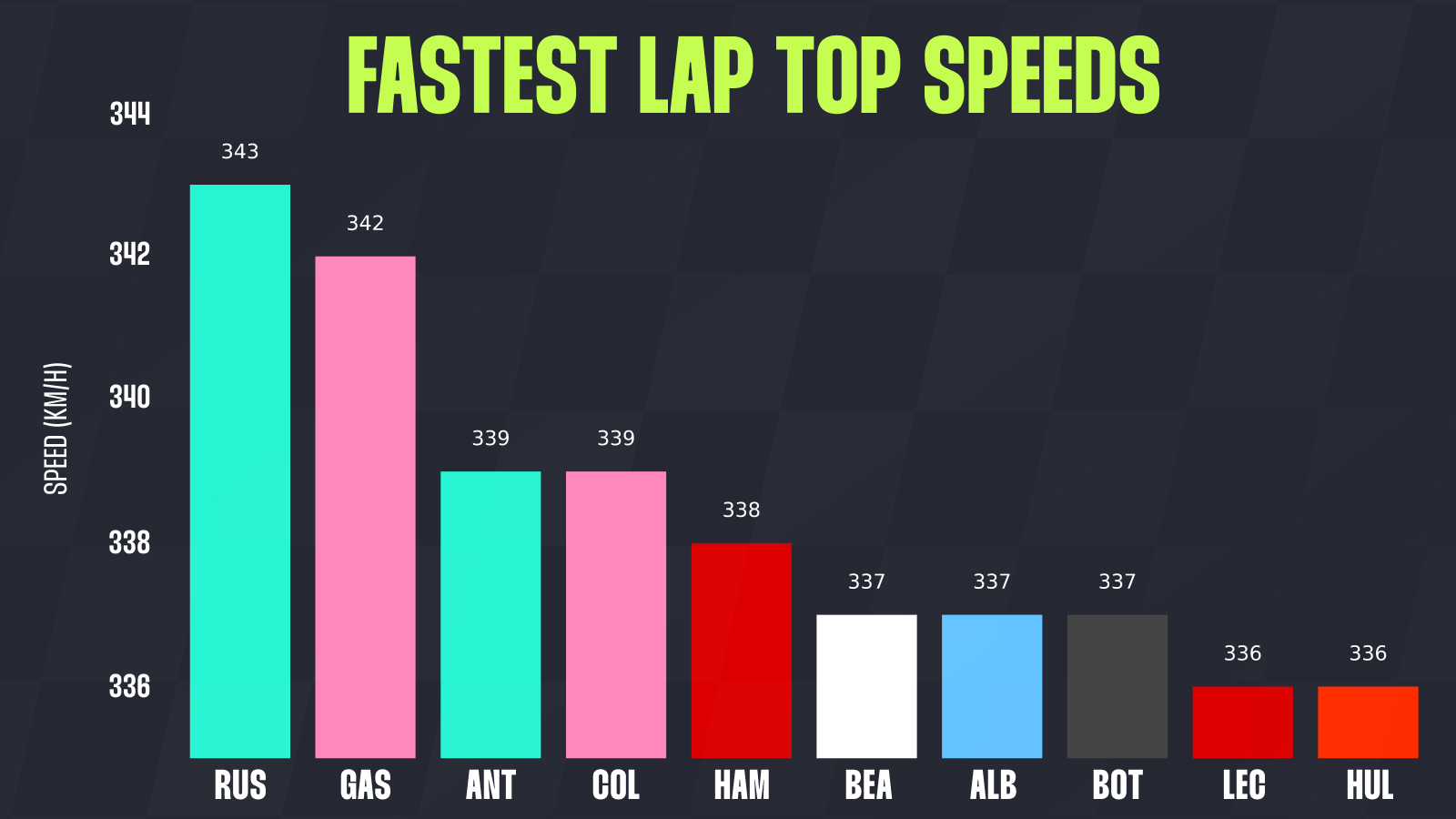
Along the first three straights, Gasly’s speed was virtually identical to Russell’s. However, the French squad decided to do something different in the final sector.
How much slower Pierre was prior to entering the Parabolica is clearly visible on the graph. Alpine chose to harvest energy here, subsequently deploying it through and on the exit of the final corner. Gasly was 8 km/h faster than Russell through the apex of the corner, and managed to carry out that momentum to the finish line.
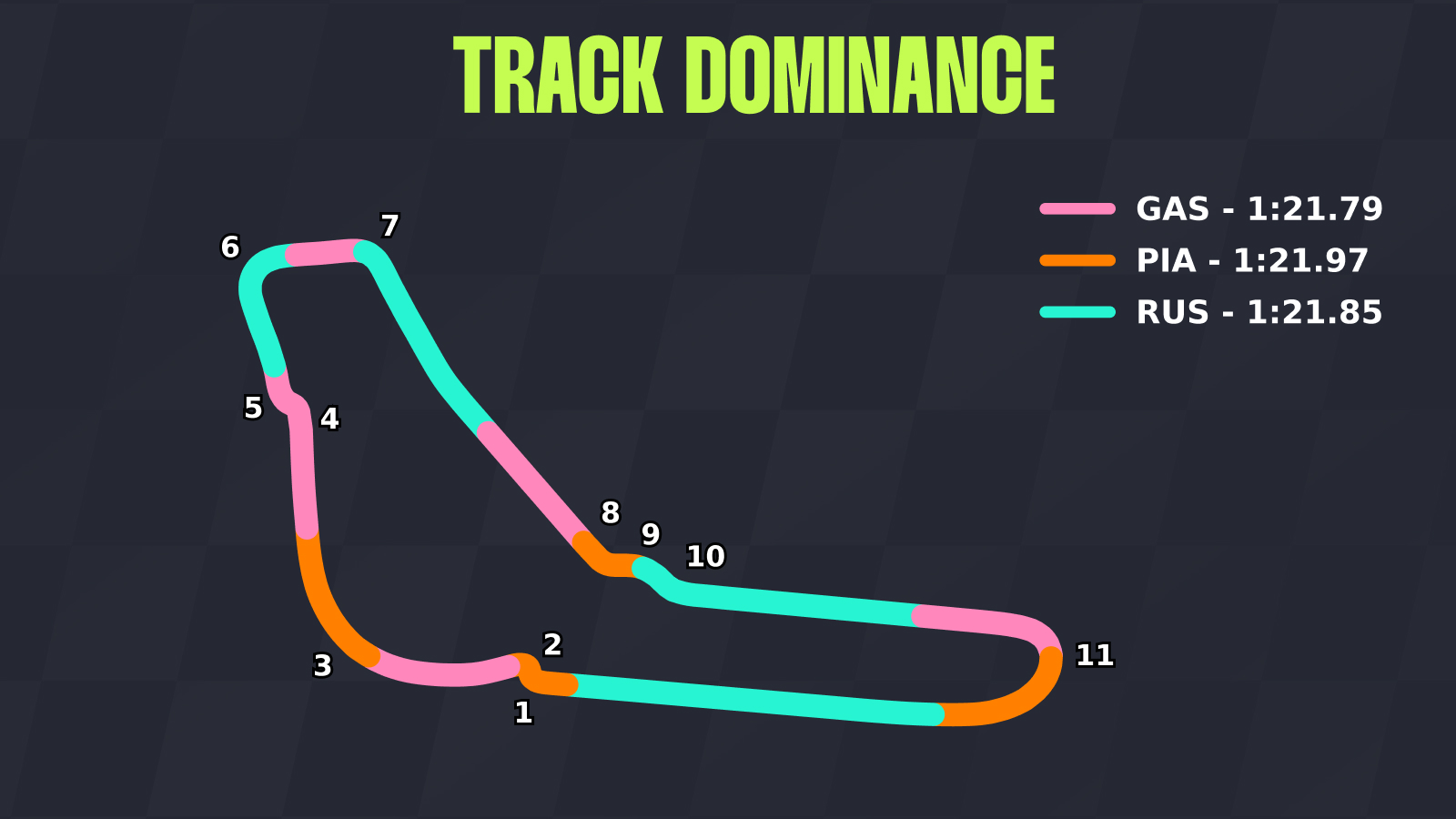
With this clever trick, the Mercedes power unit, and a genuinely strong car that reached an excellent overall balance thanks to the engineers’ development efforts, Pierre pulled off a massive surprise that would not have been possible had he not extracted every ounce of potential on track.
Nor should we overlook the team’s sharp execution: Alpine was the last squad to leave the pit lane during the second Q3 runs, neatly avoiding the traffic that hampered several drivers – George Russell included.
However, the main task for Gasly lies ahead in the main race. His response to whether he can fight for victory was “why not?”, though keeping Russell and Mercedes behind currently sounds like a formidable task. Yet this is Monza, where absolutely anything can happen.
Want to be the first to know exclusive information from the F1 paddock? Join our broadcast channel on WhatsApp to get the scoop on the latest developments from our team of accredited journalists.
You can also subscribe to the PlanetF1 YouTube channel for exclusive features, hear from our paddock journalists with stories from the heart of Formula 1 and much more!
Read next – Italian Grand Prix: Pierre Gasly claims shock pole position
Originally published by Planet F1 —
Read Original Article